


Probate property valuations: how to get it right first time

A probate valuation is the price the property might reasonably fetch on the open market on the date of death. It is the figure HMRC expects you to use, and it matters because it feeds into any inheritance tax calculation and can be checked later.
Most estates pay no inheritance tax, but every estate needs a value, according to GOV.UK. That value is worked out before you make the probate application, and you will use it on forms such as the IHT400 if tax is due. It also becomes the starting point for any capital gains tax if the property is sold for more than it was worth at the date of death. This guide explains what HMRC means by value, how to handle jointly owned homes and contents, and how to avoid the common mistakes. If you would like someone to handle the valuation process with you, our fixed fee probate service is there to help.
What "probate value" actually means
You may hear people talk about a "probate value" as if it were a special, lower figure. There is no such thing. The value you need for probate purposes is the market value of the property on the date the person died.
HMRC's guidance in its Inheritance Tax Manual at IHTM09703 sets out the open market value basis, which comes from section 160 of the Inheritance Tax Act 1984. In plain terms, you are asking what the property would sell for on that particular day.
The test assumes a willing seller, not a forced sale. HMRC's manual at IHTM09704 makes this point. A property sold in a hurry, or at a discount because the family wants a quick exit, does not set the probate valuation on its own. GOV.UK describes the figure you are aiming for as a realistic selling price.
Two things follow from this:
- The value is fixed to the date of death. What the property is worth now, or what it might be worth after repairs, is not the figure you need.
- You cannot choose a low number to keep the estate looking smaller. The figure should reflect a realistic market value, because HMRC can question it.
When you need a valuation
You need the valuation early. GOV.UK says you must value the estate before you apply for probate. That means you need a figure for all the assets, not just the home: the contents, bank accounts and savings, investments and shares, and any business interests. The estate also includes lifetime gifts made in the seven years before the death, so the executors need to find out about these too. Debts such as a mortgage, loans, council tax or household bills, and funeral expenses, are then deducted to reach the net value of the deceased person's estate.
Timing matters if inheritance tax is due:
- You must send an IHT400 to HMRC within one year of the death.
- Interest is charged on unpaid tax after the end of the sixth month.
So even if you do not yet know whether tax will be due, it is sensible to make progress on the estate valuation as soon as you can. An accurate valuation at the start saves time later in the probate process, and it avoids having to correct figures.
Agent estimate or formal valuation?
You have a practical choice here. GOV.UK talks about a realistic selling price, and HMRC may accept evidence that supports your figure, including a sale made within a reasonable time after the death (IHTM09704). Which route suits you depends on the estate.
| Estate agent estimate | Formal written valuation | |
|---|---|---|
| What it is | An opinion of what the property would sell for | A written property valuation from a qualified surveyor |
| Best for | Straightforward homes where no inheritance tax is expected | Estates where tax is likely, or where the property is unusual |
| Strength | Quick and simple to obtain | Gives you a documented basis if HMRC asks questions |
| Things to watch | Make sure it is for the date of death | Make sure it is also for the date of death |
If tax is likely to be due, or the property is unusual, a formal written valuation from a professional valuer is the more cautious choice. It gives you something solid to point to if HMRC queries your figure, particularly if it comes from one of the RICS-registered chartered surveyors. For a standard home in an estate well below the threshold, a realistic estimate from a local estate agent that reflects the date of death is often enough. Estates with multiple properties, land or a business may need specialist valuations for each part.
Whichever route you take, ask for the house valuation to be as at the date of death, and keep the paperwork with the estate records.
Valuing a share of a jointly owned home
If the person who died owned the home with someone else, you value their share, not the whole property. GOV.UK sets out the rules.
- Spouse or civil partner: if the property was owned jointly with a spouse or civil partner, you halve the value of the property.
- Other joint owners: for anyone else, you divide the value by the number of owners and then deduct 10%.
- Tenants in common: where the owners held the property as tenants in common, the value is based on the share each person owned.
Joint tenants are owners who hold the property together so that it passes to the survivor automatically, which is why you will often find a surviving joint owner takes over the property without needing a grant. You still need to value the deceased's share for the estate figures, so it is worth checking how the property was owned before you start. The title documents will show it.
Valuing the contents
The home is only part of the picture. GOV.UK says you should value the house contents at what you would get if they were sold. That is usually much less than the replacement cost, or what the items meant to the family.
For everyday personal belongings, such as furniture and household goods, a sensible approach is to check what similar items are selling for on online marketplaces. That gives you a realistic idea of their worth without paying for a formal appraisal. Higher-value items such as jewellery, art, antiques or classic cars may need a more careful look, because a rough guess could be a long way from the truth. A specialist valuer can give a figure for these items where needed.
Keep a simple list of what you have valued and how you reached each figure. It is far easier to explain later to HMRC, or to the beneficiaries and other family members, if you have your notes to hand.
What happens if the house sells for more or less
Sometimes the house sells soon after the death for a different price from the figure you used. HMRC's guidance at IHTM09704 says that an actual sale within a reasonable time may be accepted as evidence of value. So if you sell for noticeably less than your probate figure, HMRC may look at the sale price as evidence of what the property was worth on the date of death.
If the house sells for more than the probate valuation, capital gains tax may apply to the gain between the probate value and the sale price. This is a general point, and the position depends on your circumstances, so professional advice on the figures is sensible before you complete.
This is another reason to get the original probate valuation right. A figure that is realistic from the outset is less likely to be disputed, and it leaves you with a sensible starting point for any later gain.
Common mistakes to avoid
Use this as a checklist before you finalise the total value of the estate.
- Using today's value instead of the date of death. The value must relate to the day the person died.
- Looking for a "lower" probate value. There is no special figure. Use the market value.
- Choosing a forced-sale price. The test assumes a willing seller, so do not start from a distressed price.
- Valuing the whole of a jointly owned home. You only need the deceased's share, using the right rules for the type of ownership.
- Overlooking the contents. Include household goods and other belongings at what they would fetch if sold.
- Missing the deadlines. If tax is due, the IHT400 is due within one year and interest starts after six months.
- Putting the house on the market too soon. GOV.UK says you should not put the property on the market until you have probate.
- Failing to keep records. Keep valuations, supporting evidence, emails and notes together so you can show how you reached each figure if HMRC asks.
Getting these details right is easier with professional assistance. Our fixed fee probate service covers the valuation steps as part of the administration. We also handle house clearance and the sale of the property, so personal representatives can have the whole process looked after by one team.
Getting the valuation right first time saves delays
Getting the valuation right first time saves delays later. Our fixed fee probate service covers the valuation steps as part of the administration, and we can also help with house clearance and selling the property. Request a callback or call 0800 028 2837.
Key takeaways
- Property is valued at its open market value on the date of death.
- There is no special, lower "probate value".
- Jointly owned homes are valued by share, with a 10% deduction for non-spouse joint owners.
- A sale soon after death can be used by HMRC as evidence of value.
- If inheritance tax is due, the estate must be reported within a year and interest starts after six months.
Frequently asked questions
How is a house valued for probate?
A house is valued at its market value on the date of death. That means the price it might reasonably fetch if sold on that day, with a willing seller. There is no separate, lower probate value.
Do I need a surveyor for a probate valuation?
Not always. For a straightforward home in an estate where no inheritance tax is expected, a realistic estimate for the date of death may be enough. A written valuation from a qualified surveyor is the more cautious choice where tax is likely to be due or the property is unusual. A valuer will usually look at recent sales of similar homes nearby, along with the property's location and condition.
What if the house sells for more than the probate valuation?
HMRC may treat an actual sale within a reasonable time as evidence of the property's value at the date of death. If you sell for more than the probate figure, capital gains tax may apply to the gain. It is sensible to take advice on your own figures.
How do you value a jointly owned property for probate?
If the property was owned jointly with a spouse or civil partner, you halve its value. For other joint owners, you divide the value by the number of owners and deduct 10%. Where the owners were tenants in common, you use the share each person held.
Can I sell a house before probate?
GOV.UK says you should not put the property on the market until you have probate. You can arrange the valuation and prepare in the meantime, so that you are ready once the grant is issued.
What assets need a probate valuation?
Everything the person owned needs a value, not just the home. The deceased's assets include bank and building society accounts, investments, shares, vehicles, jewellery and other personal belongings, less any debts.
Useful resources
- GOV.UK, Valuing the estate of someone who died
- GOV.UK, Estimate the value of the estate
- GOV.UK, Applying for probate
- HMRC Inheritance Tax Manual, IHTM09704
- HMRC Inheritance Tax Manual, IHTM09703
Share This Post


Recent posts
- What is a deed of variation and when does it make sense? By Probate Bureau , 26/11/2026
- What does a grant of probate look like, and who needs a copy? By Probate Bureau , 26/11/2026
- Probate property valuations: how to get it right first time By Probate Bureau , 25/11/2026
2015 Archive
2016 Archive
2018 Archive
2019 Archive
2020 Archive
2026 Archive
2023 Archive
- July 13 posts
0 Archive
- December 1 posts
Blog Categories
Find your way through the probate maze
Click here to follow our step-by–step probate process guide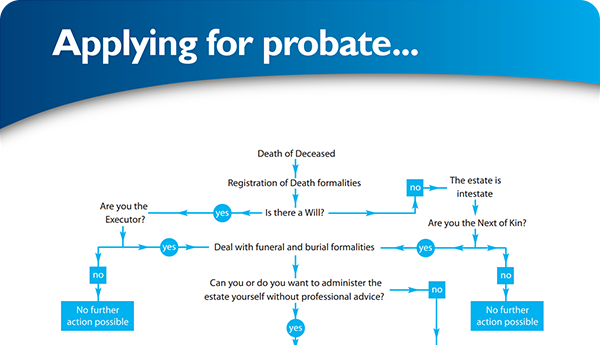
Testimonials
Excellent service, everything went very smoothly. Like to thank Ann and her team.... read more
Good & Reliable service, always kept up to date with what was happening. Value for money.... read more
Latest Tweet
Follow @ProbateBureau


Contact Us
0800 028 2837 info@probatebureau.comTHE PROBATE BUREAU
3 Crane Mead Business Park
Crane Mead
Ware
Hertfordshire
SG12 9PZ
×